
Urban brownfields regeneration
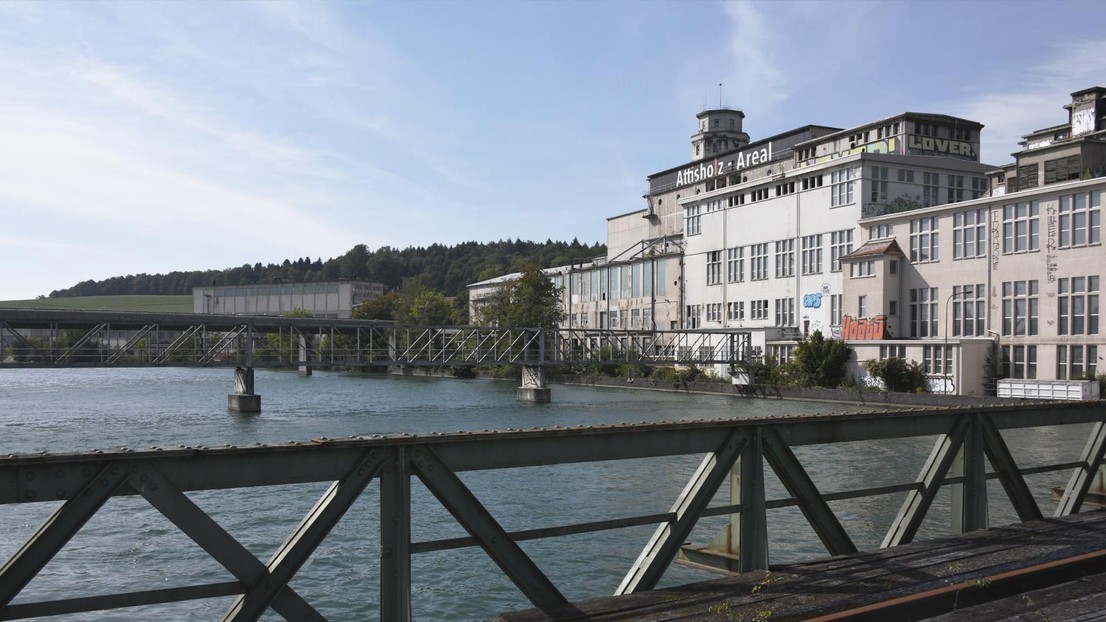
Attisholz areal © EPFL / LAST
Within the framework of the Italy-Switzerland Interreg project RiCoNET "Territorial regeneration and cooperation for cross-border governance" organized by the HES-SO Tourism Institute in collaboration with IUSEFOR Turin, Dr. Martine Laprise was invited to present the Laboratory of Architecture and Sustainable Technologies (LAST)'s research on urban brownfields regeneration. Her conference focused on the challenges, issues, and opportunities specific to this type of site from the perspective of contributing to the transition.
In the context of the fight against the devastating effect of urban sprawl, the regeneration of urban brownfields is a specific contribution to the densification within the built environment while revitalizing abandoned sectors of the city. Many sites are suitable for the creation of new sustainable neighborhoods, especially when they are connected to public transport networks and have significant potential for urban regeneration.
Martine Laprise's lecture focused on these themes at the intersection of urban brownfields and sustainable transitions of metropolitan areas, cities, and neighborhoods. She provided an in-depth introduction to the concepts of urban brownfields and neighborhood-scale regeneration projects. She then addressed several key issues related to the subject, including the integration and evaluation of sustainability issues related to this type of operation. To support her point, she presented a monitoring tool and its test application on a concrete case study in Switzerland, highlighting the advantages of operational monitoring integrated into the dynamics of urban brownfield regeneration projects.
The reflections presented during the conference are from the open access book “Neighbourhoods in Transition”, which provides a synthesis on several research works and a structured approach to these transformation processes at the heart of urban territories.