
The Glacier Stewardship Program's major step forward in Bhutan
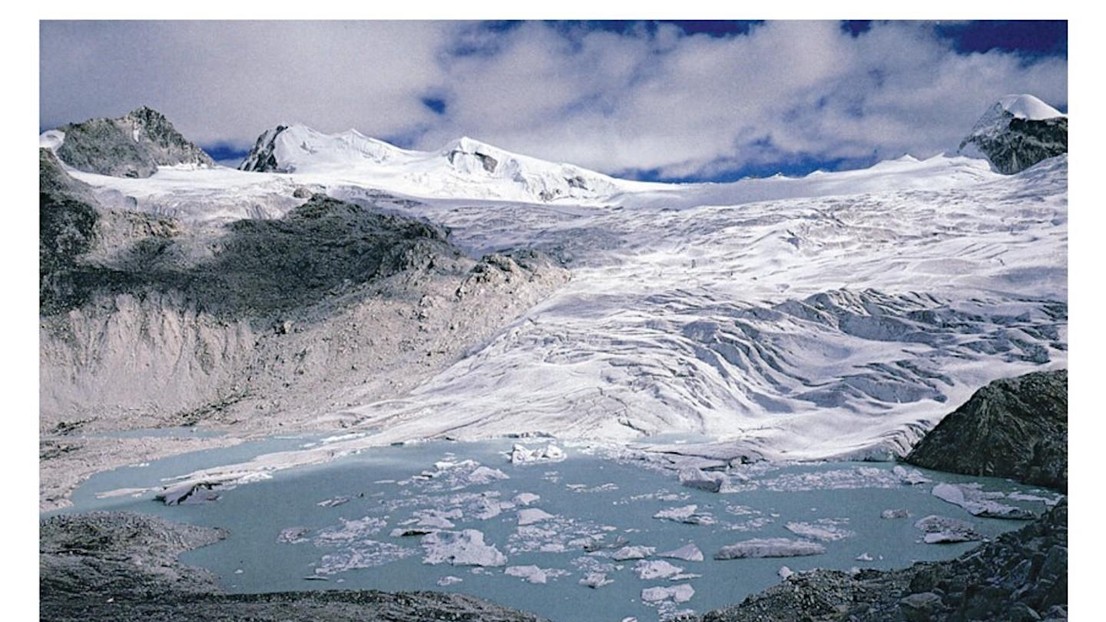
© Glaciers of Bhutan2
Less than a year after its launch in Sion, the Glacier Stewardship Program has reached a key milestone with its first workshop held in Thimphu, Bhutan. The event brought together Swiss and Bhutanese experts to define a joint roadmap for understanding and managing cryospheric risks.
Addressing urgent needs – The Glacier Stewardship Program
Home to more than 700 glaciers, Bhutan is highly vulnerable to the impacts of climate change. The country has experienced multiple glacial lake outburst floods (GLOFs) with devastating consequences. Accelerated glacier melt continues to increase the frequency of such events, threatening downstream communities and vital infrastructure, including hydropower facilities that are central to Bhutan's economy.
It is precisely these escalating risks that the Glacier Stewardship Program aims to address. The initiative jointly developed by EPFL and ETH scientists, focuses on developing sustainable techniques to slow glacial melting locally and implementing targeted early-warning systems to reduce glacier-based hazards. For Bhutan—where over 70% of settlements and infrastructure lie along major drainage basins—such interventions are critical to protecting lives and livelihoods.
A panel of international experts
Several Swiss specialists took part in the meeting, including Daniele Rod (Swiss Polar Institute), Daniel Farinotti (ETH Zurich and WSL), Nadine Salzmann (WSL), Tom Battin (EPFL), Raphael Mayoraz (Grand Council of the Canton of Valais), Jan Kleinn (WSL) and Jérôme Chappellaz (EPFL, Valais Sion). They met with their counterparts from Bhutan’s National Center for Hydrology and Meteorology (NCHM) as well as representatives from ICIMOD, including its Director General Pema Gyamtsho, Ph.D.
The discussions resulted in an action plan combining short-term and longer-term measures to address glacial hazards.
This workshop illustrates science in action—at the interface between research, operations, and the real needs of a country highly exposed to glacial hazards,
This action plan is supported by the Swiss Polar Institute, Bhutan’s National Center for Hydrology and Meteorology, and ICIMOD, which jointly organized this first foundational step in what promises to be a fruitful collaboration between Switzerland and Bhutan.