Launch of CLUE, a new center dedicated to the science of learning
© 2026 EPFL
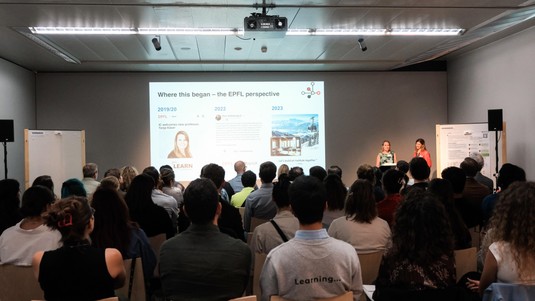
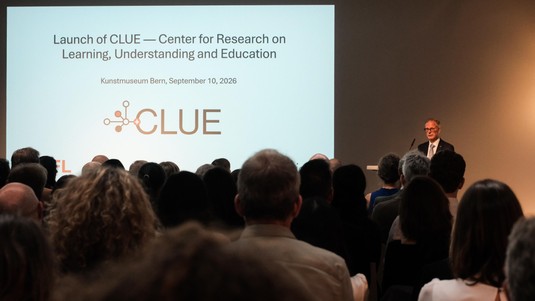
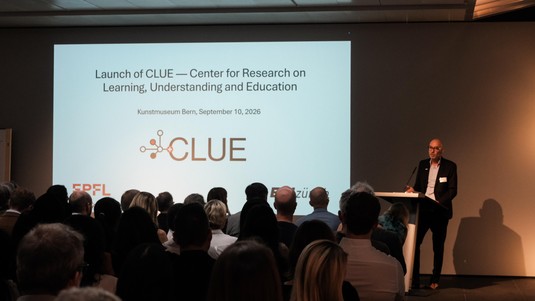
ETH Zurich and EPFL officially launched CLUE – the Joint Center for Research on Learning, Understanding, and Education, dedicated to the science of learning. The two-part event, held on 10 September in Bern, brought together researchers, institutional leaders, and partners from across the Swiss education landscape.
Hosted at EPFL by the Center for Learning Sciences (LEARN), CLUE unites the complementary strengths of both institutions, EPFL's expertise from research on primary and vocational education, and ETH Zurich's expertise from research on upper secondary and higher education, into a single center dedicated to advancing the science of learning across the whole human lifespan.
Learning is changing at an unprecedented pace. Artificial intelligence is transforming not only the tools available to learners, but also how we access knowledge, how we solve problems, how we teach, and ultimately what it means to learn. No single discipline, institution, or part of the education system can shape this transformation alone.
A partnership years in the making
CLUE builds on the momentum of the Joint Doctoral Program in Learning Sciences (JDPLS), a collaboration between ETH Zurich and EPFL running since 2022 that has already welcomed more than 30 PhD students under the guidance of professors from both institutions. The program's first graduate completed the doctorate at the end of 2025, demonstrating the strength of combining the two institutions' research capacities in the learning sciences.
CLUE’s ambition is reflected in three strategic goals: excellent multidisciplinary research on human learning across the entire human lifespan; capacity building, training the next generation of researchers, educators, and leaders; and building strong connections between research and educational practice so that the two can inform and shape one another.
A day of exchange and celebration
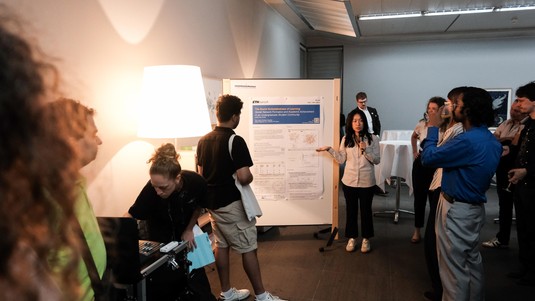
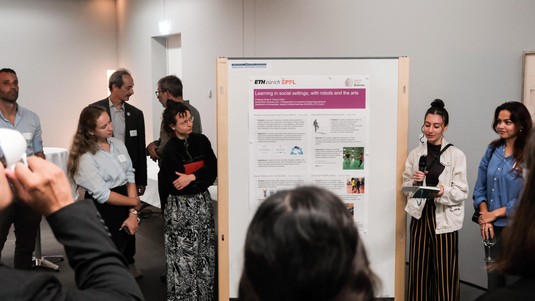
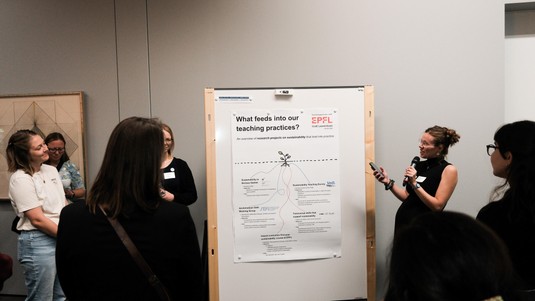
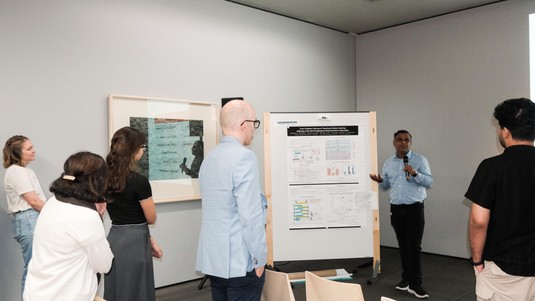
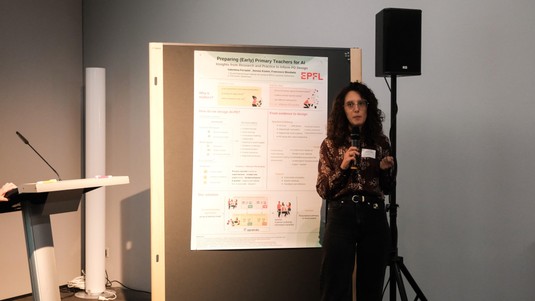
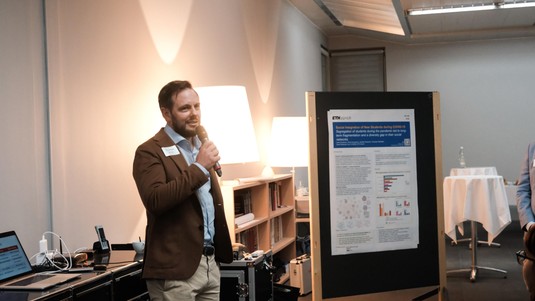
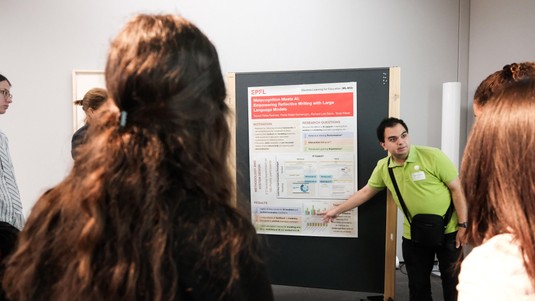
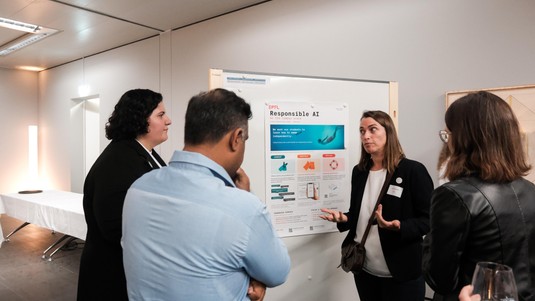
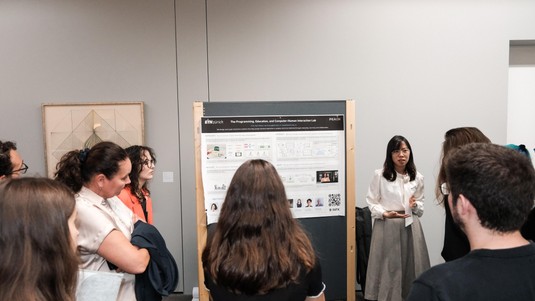
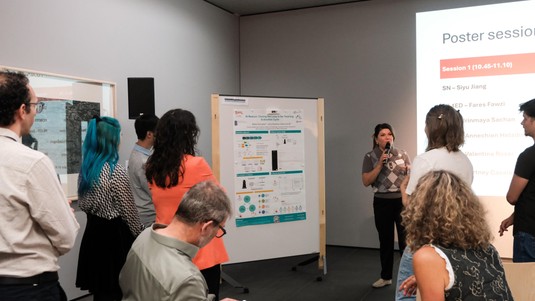
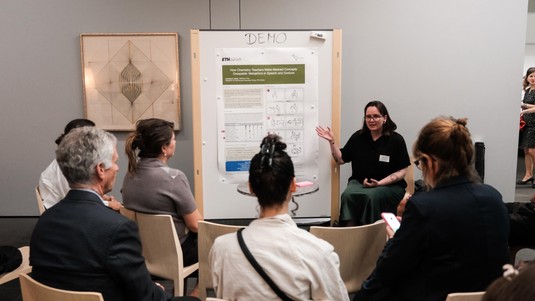
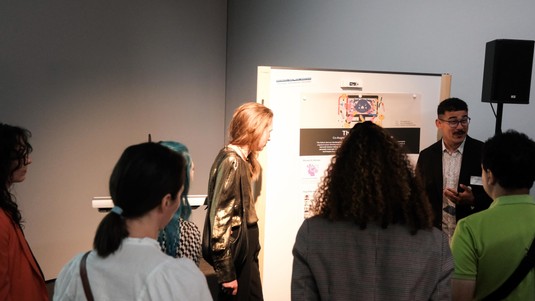
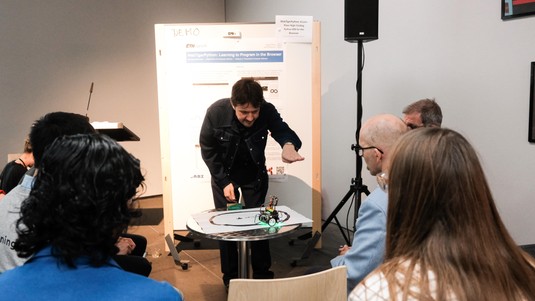
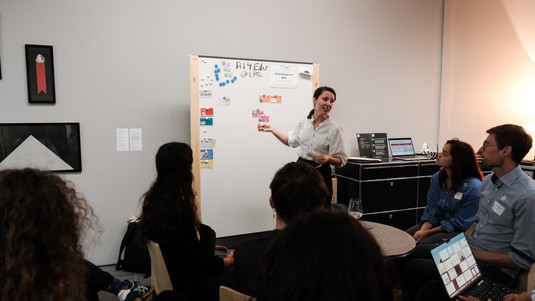
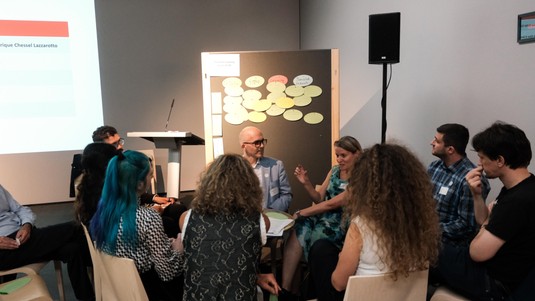
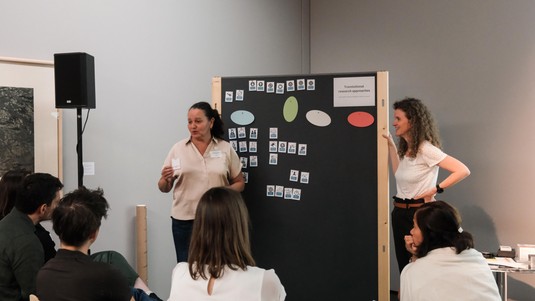
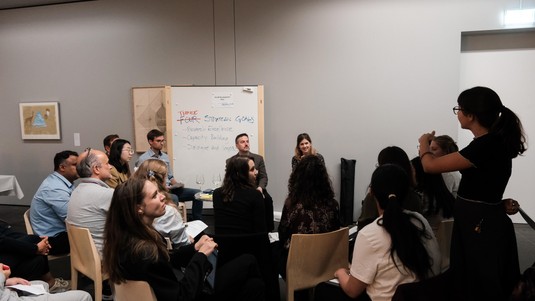
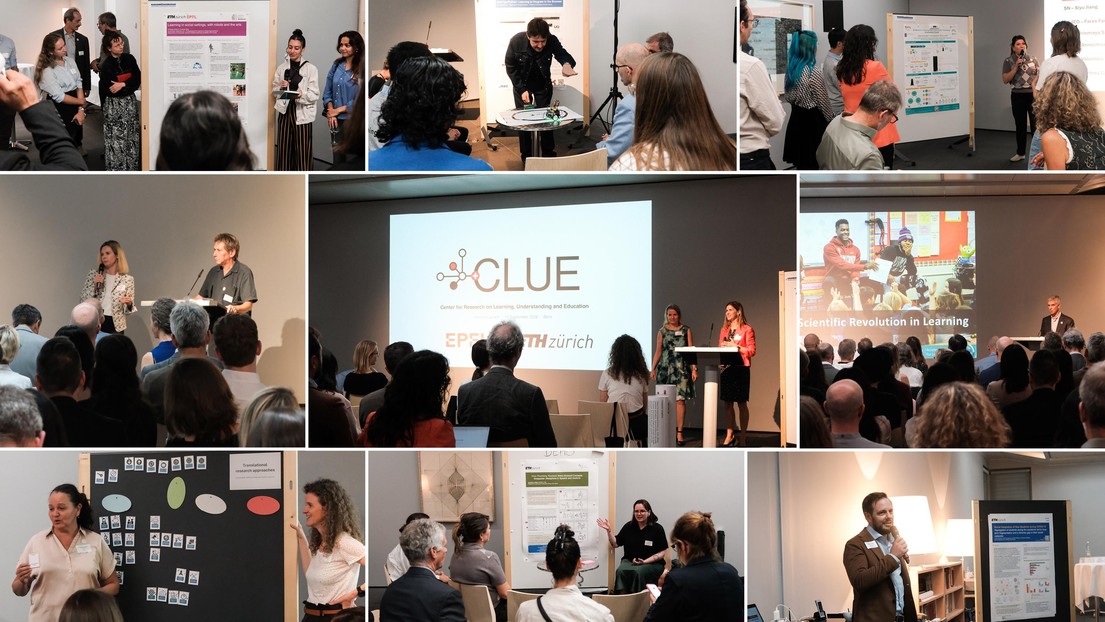
The launch event unfolded in two parts. The day began with a community day, welcoming researchers, practitioners, and PhD students from labs across both institutions, including many from JDPLS. Poster sessions, live demonstrations, and hands-on workshops offered a first opportunity for the CLUE community to connect, share ongoing work, and explore future collaboration across disciplines.
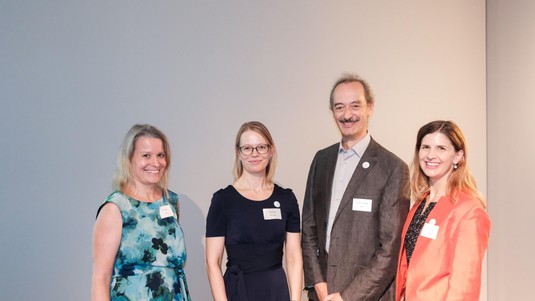
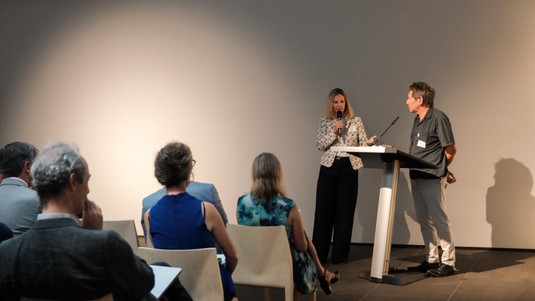
The official chapter in the evening welcomed the President of the ETH Board Michael Hengartner, EPFL's President Anna Fontcuberta-Morral, and Rémy Hübschi, Deputy Director of the Swiss State Secretariat for Education, Research and Innovation (SERI), alongside many institutional partners from academic networks, teacher training universities, foundations, but also cantonal and federal education administrations. ETH Zurich's Rector Günther Dissertori and EPFL’s associate Vice-President for Education Nicolas Grandjean welcomed the new center on behalf of their respective institutions before Pierre Dillenbourg provided a historical perspective and invited Jacob Foundation’s Country Director for Switzerland, Tina Cassidy, to discuss future funding perspectives.
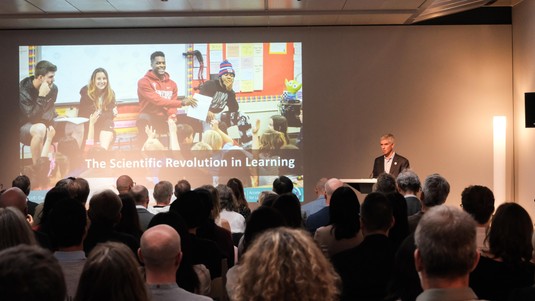
The keynote was delivered by Prof. Daniel L. Schwartz, lead of the Stanford Accelerator for Learning and former dean of the Stanford University Graduate School of Education. Prof. Schwartz spoke on the scientific revolution underway in learning. The conditions for change in education have rarely been so aligned: data influx, empirical insights, new technologies and pressing societal needs. The task ahead, he said, is to build with intent, carefully balancing the possibilities of automation against the potential of augmentation so that learners can develop both foundational knowledge as well as newly needed virtues.
Center LEARN's role
As the host of CLUE at EPFL, the Center for Learning Sciences (LEARN) has played a central role in shaping the initiative since its inception. Founded in 2018, LEARN has built an extensive track record of translational research in education, working closely with schools, teacher training institutions, and education authorities across French-speaking Switzerland and beyond. Through CLUE, LEARN extends this work into a formal, long-term partnership with ETH Zurich, combining networks, expertise, and infrastructure to accelerate the transfer of research into educational practice at a national scale.
Looking ahead
Over the next years, CLUE will pursue a portfolio of translational research projects, such as the flagship initiative "Responsible AI for Swiss Education" living lab alongside sustained efforts in teacher professional development, translational research methods, and partnerships with the wider Swiss education ecosystem.
Adapting the education system to the tsunami of AI is a national issue. This adaptation must be evidence-based, which is why we are joining forces with ETH Zurich through our research labs. We now have scientific evidence of real progress on the pedagogical challenge. Thanks to schools, universities, and also individuals and foundations, we will be able to use AI to change the world for the better, not to be replaced by it, but to be augmented with it.