
Joan Rey joined HOBEL as a new PostDoc
© 2025 EPFL
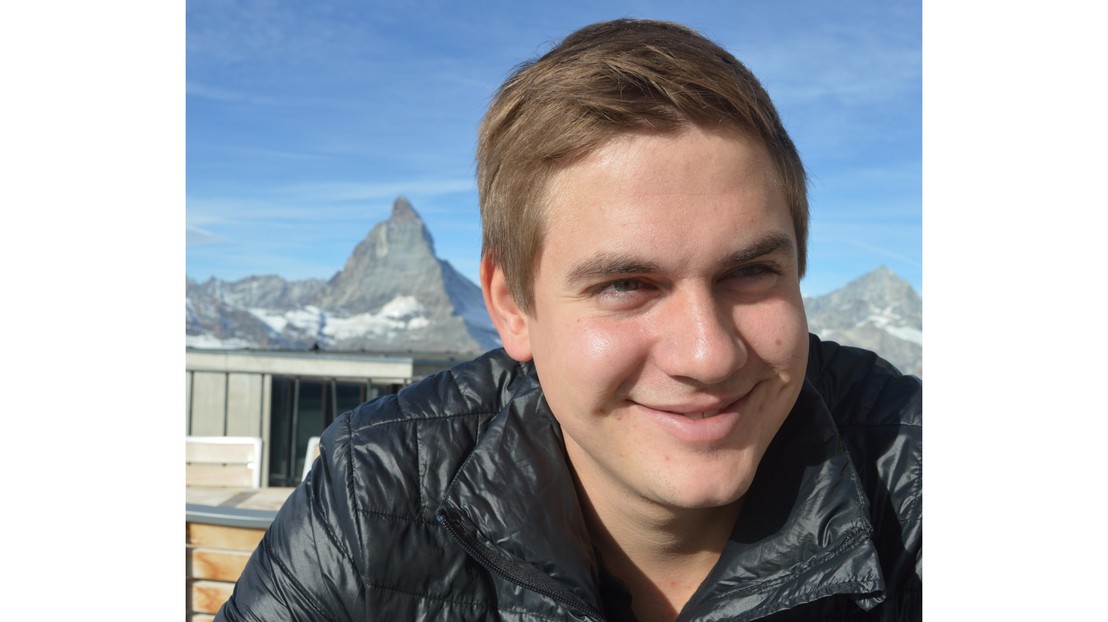
Dr. Joan Rey joined the HOBEL lab as a part-time postdoc in December 2025. Welcome back, Joan!
Joan shares his experiences, impressions, and plans as he comes back to EPFL and the Human-Oriented Built Environment Lab. Let's see what he shares.
• You just arrived at the EPFL Fribourg - what are your first impressions?
In a way, this is not entirely new for me, as I completed my PhD thesis within HOBEL lab between 2020 and 2024. That being said, it is a real pleasure to be back. What I particularly appreciate is the strong dynamic between researchers, as well as the diversity of cultural and personal backgrounds within the lab. This richness of perspectives creates a very stimulating and inspiring working environment.
• Can you tell us more about your career in academia?
My academic interests lie both in research and teaching, two commitments I am fortunate to pursue through my mandate at the Smart Living Lab (SLL), within both the Human-Oriented Built Environment Lab (HOBEL) and the croqAIR lab at HEIA-FR. I am very motivated to continue along this path and, in the longer term, I hope to pursue an academic career, potentially aiming for a professorship, although I remain open regarding when and where this might happen.
• What are you most excited about your appointment at the Human-Oriented Built Environment Lab?
I am particularly excited to be back at EPFL, within such an outstanding institution. I grew up very close to EPFL, and working here has always been a personal goal, especially on research topics that truly motivate me. Being part of an international lab is also a great opportunity, both professionally and personally, as it enhances cultural exchange and diversity.
• What will your research focus on over the coming year?
During my time at EPFL, my work will focus on two main aspects. First, I will be analyzing and publishing the results of the SCOL’AIR project (HES-SO / HEIA-FR), which investigates school environments and children’s exposure to indoor air quality. This is a particularly important topic, especially given current concerns about health and learning environments. Secondly, I will be working on the evaluation and integration of French and Swiss databases into a single, centralized open-source database. Such a platform will be a valuable resource for the research community and will serve as a foundation for developing new research projects.
• What inspires you about the built environment of the future and its research schemes?
The built environment plays a central role in both energy consumption and human health. Energy use must be drastically reduced, but this must be achieved without compromising occupants’ health. Finding the right balance between energy efficiency and high indoor environmental quality is essential to ensure wellbeing and sustainability for future generations.
• Whenever you are not doing research, what are you interested in?
Outside my professional life, I lead a very active personal life. I am fortunate to have my entire family in Switzerland, in the Lausanne area. My wife and child are always here to bring me joy and balance to my daily life. As a Swiss native, I also spend a lot of time in the mountains, whether walking, hiking, climbing, or skiing, and I greatly enjoy sharing these moments with family and good friends.