
How to deal with material alterity?
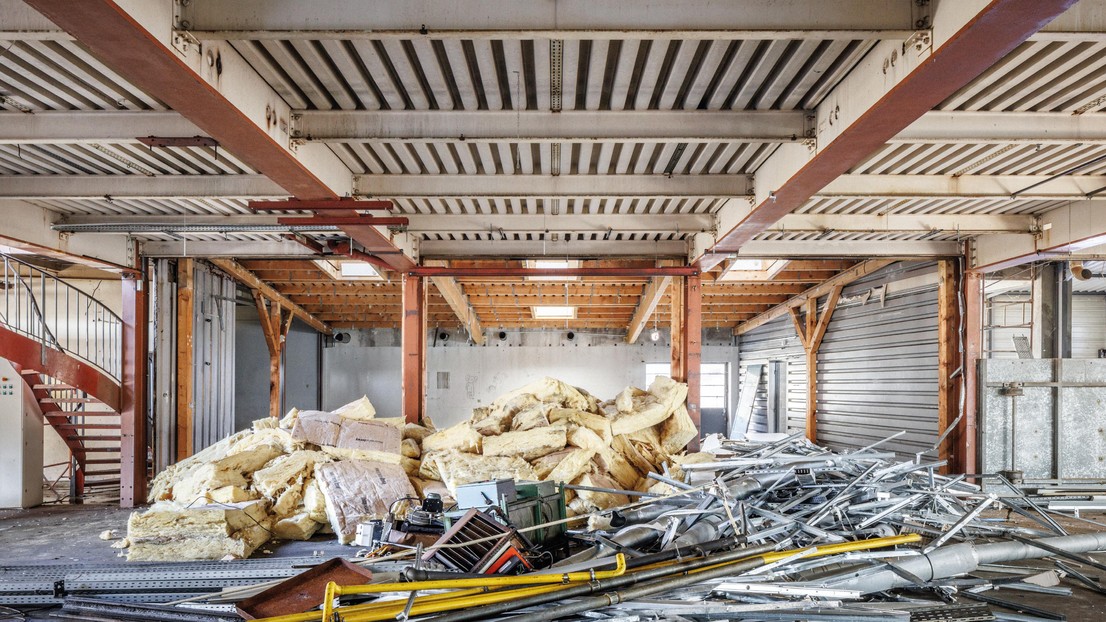
Material alterity © Atelier Archiplein, 11h45
Marlène Leroux, partner at Atelier Archiplein in Geneva, was invited by Prof. Emmanuel Rey’s studio at the Laboratory of Architecture and Sustainable Technologies (LAST) to present her architectural practice through a selection of projects. Entitled "How to deal with material alterity?", her lecture provided students with the opportunity to examine projects that address, in particular, the constructive and sustainability-related challenges associated with the use of massive stone in architecture.
Marlène Leroux is an architect who graduated from EPFL in 2007 and obtained her PhD in 2016. A lecturer at the Grenoble Urban Planning Institute (IUGA), she also teaches at the University of Geneva where she serves as Scientific Coordinator of the MAS Urbanisme EPFL-UNIGE. Based in Geneva since 2010, she is one of the two partners of Atelier Archiplein, originally founded in Shanghai in 2008.
A methodical, reasoned, and specific project approach forms the foundation of Atelier Archiplein's practice. Its use of natural materials, particularly solid stone, is rooted in an age-old architectural culture. Far from reflecting a nostalgic past, it points instead toward an alternative future, offering one of the relevant responses to contemporary environmental challenges.
The conference highlighted these motivations through projects addressing the values of hospitality, ordinary, hybridization and innovation, and adaptation as contemporary enrichments of the cultural dimension in architecture. Thus, the renovation project of a Capuchin convent in the Jura was presented, along with massive stone housing project in the municipality of Plan-les-Ouates and the one on Rue de la Coulouvrenière in Geneva.
Resonating with the issues addressed in the studio RELIEFS URBAINS, the conference allowed students to put into perspective the didactic approach, from the urban project to the construction detail as a relevant process for the transformation of urban territories in transition.