
CYBER-DEFENCE FELLOWSHIPS: Nives Križanec
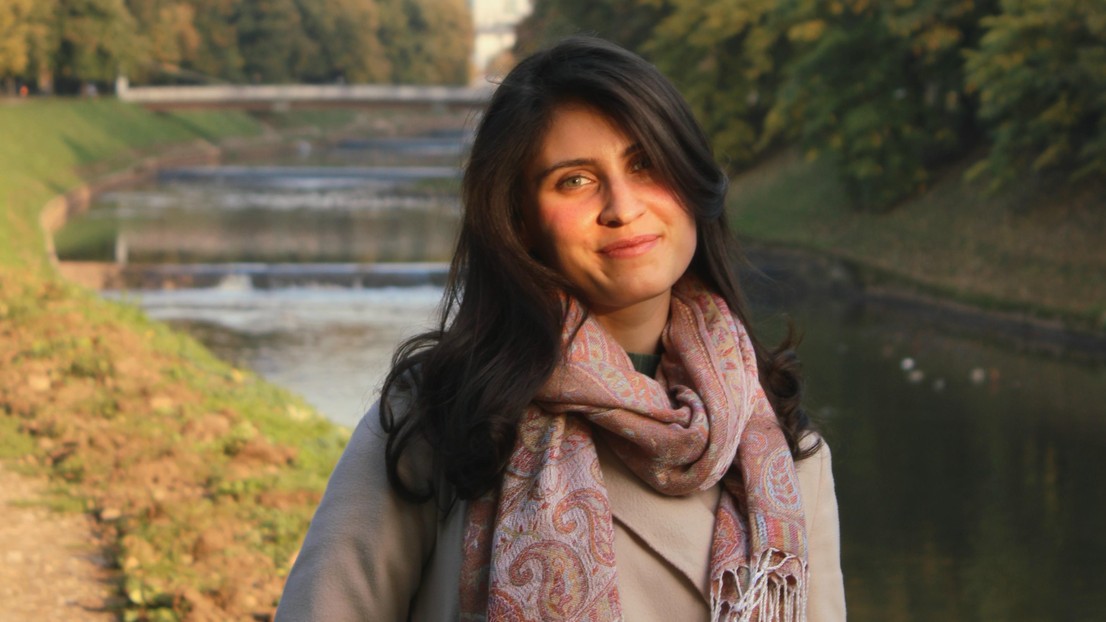
© 2026 Nives Križanec
To promote research and education in cyber-defence, EPFL and the Cyber-Defence (CYD) Campus launched a rolling call for Master Thesis Fellowships – A Talent Program for Cyber-Defence Research.
This month we introduce you to Nives Križanec, a CYD Master Thesis Fellowship recipient, who is finishing up her Master Thesis in the System Security Group at ETH Zurich.
- How did you find out about the CYD Fellowships and what motivated you to apply?
I first learned about the CYD Campus through an invitation from the INFK (Department of Computer Science at ETH Zurich) student administration to attend a fellowship event. I decided to participate because I wanted to gain deeper insight into their ongoing research and see where the field was headed. While there, I met my current supervisor, Daniel Dorigatti, whose encouragement and overview of potential research topics ultimately motivated me to apply.
- What was your CYD Fellowship project about?
My primary objective was to develop a POC for a "man-in-the-middle" attack on ExpressLRS (ELRS), a widely used drone communication protocol. This involved managing the exchange, modulation, and synchronization of packets, all while ensuring compatibility, handling frequency hopping, and optimizing for speed. Alongside the technical build, I investigated whether such protocols can be effectively secured with minimal overhead.
- What were the advantages of conducting your master thesis project at the CYD Campus?
A major advantage of the fellowship was access to the CYD Campus resources and facilities. The modern office environment and the ability to quickly obtain specialized equipment essential to my research significantly accelerated my progress. Additionally, the opportunity to present my work at events such as the CYD Campus Conference and the Cyber Alp Retreat proved invaluable for my professional growth.
- Did you as a child dream of working in cyber-defence?
No – In fact, I had not considered studying Computer Science until the age of 17. It was during my Bachelor’s studies at TU Graz that my interest was truly sparked. I had several outstanding security-related courses taught by inspiring professors, which opened my eyes to the field. Since privacy, confidentiality, and accountability are issues I care deeply about, cyber-defence felt like a natural fit.
- What is driving you to pursue research in cyber-defence?
I am driven by the desire to make meaningful contributions to technology security, particularly in areas where security is often overlooked or treated as an afterthought.
- What is the most important lesson you have learned in your scientific career so far?
That things will inevitably break or fail to work on the first try. While it is easy to get frustrated, I have learned that staying focused on small, manageable steps and being willing to pivot when needed is key. With persistence, the pieces eventually fall into place.
- What are you most proud of in your career to date?
I am especially proud of pitching my thesis work, "Breaking the Link: Vulnerability Assessment of the ExpressLRS Drone Protocol," at the CYD Campus Conference 2025. Presenting to an audience of 300 people under the theme “The Role of Cyber in Conflicts and Hybrid Warfare” marked a significant milestone in my academic journey. It also provided a valuable opportunity to connect with professionals from across the cyber community.
- Outside the lab, what do you enjoy doing most?
I value spending quality time with friends, whether exploring new places or enjoying a relaxed game night. To recharge and maintain balance, I also enjoy cooking, baking, running, and hiking.
- What were your expectations about the CYD Fellowships?
I expected to receive hands-on support and strategic guidance from experienced professionals, as well as opportunities to share my research with a broader audience, both of which were fully realized. I was also pleasantly surprised by the level of peer support; exchanging ideas with other students working on their projects proved to be an invaluable resource.
- Could you share some tips with future applicants who are considering applying for the CYD Fellowships?
I would recommend reaching out to the CYD researcher whose work aligns with your interests as early as possible. In my case, I chose to do my semester project at the CYD Campus first. This gave me a head start on the application process, a better understanding of the program's requirements, and a well-defined thesis topic.