
Alexander Mendell joined HOBEL as a new PostDoc
© 2026 EPFL
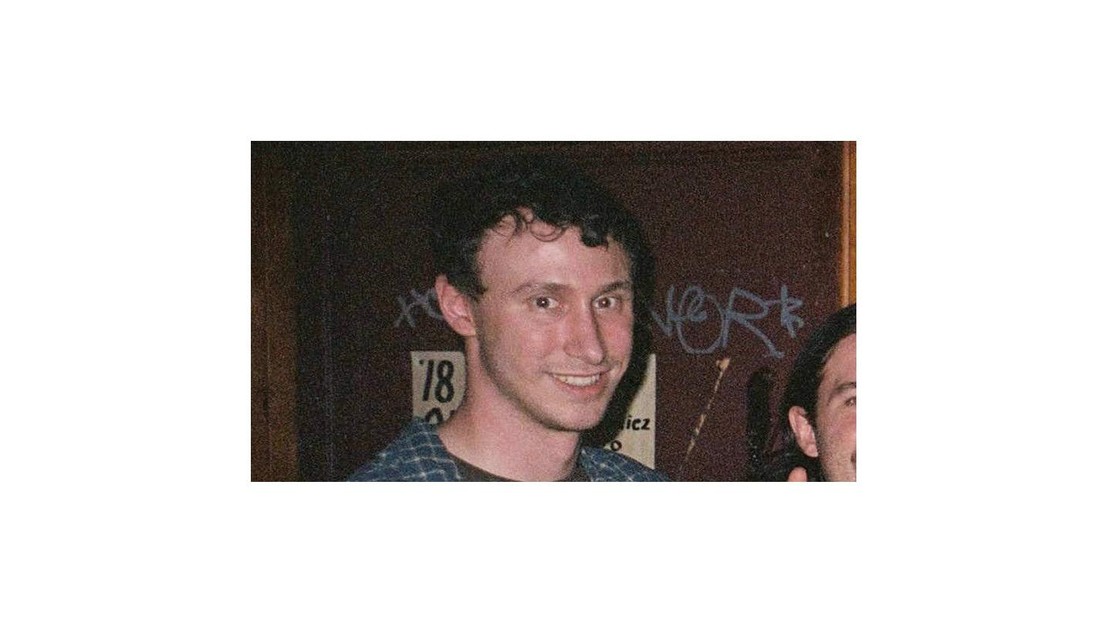
Dr. Alexander Mendell joined the HOBEL lab as a postdoc in February 2026. Welcome, Alex!
Alex shares his experiences, impressions, and plans as he joins the Human-Oriented Built Environment Lab at EPFL. Let's see what he shares.
- You just arrived at the EPFL Fribourg - what are your first impressions?
I’ve had a very warm reception from the HOBEL team, which has really helped with getting settled. Fribourg is very different (and much smaller) than the places I’ve lived before, but it’s charming, and everyone here is very friendly. Maybe that’s one of the perks of leaving the big city?
- Can you tell us more about your career in academia?
My first research position was at the Hospital for Sick Children in Toronto, where I worked for four summers. Although I enjoyed research, it wasn’t originally part of my plan when I started graduate school. During my first semester, I took a course on indoor air quality and discovered a field that applied engineering to health and equity—issues I had long wanted to address in my work but hadn’t yet found a way to. That experience drew me back into research: first as a research assistant on two projects, then through my master’s thesis, and ultimately into a PhD. Somewhere along the way, I realized this is what I genuinely enjoy doing.
- What are you most excited about your appointment at the Human-Oriented Built Environment Lab?
For my project, I will be visiting detention facilities in low and middle-income countries with the International Committee of the Red Cross. This is a unique opportunity to study a critical, often overlooked topic I’ve long been passionate about. I’m excited to join the HOBEL team, whose expertise will help ensure the project has a meaningful and lasting impact.
- What will your research focus on over the coming year?
Over the next year, I will be collecting environmental measurements at detention facilities around the world to better understand the living conditions at these sites. Once collected, I will be using modelling to identify how low-cost interventions, as well as more substantial architectural interventions, can be used to improve ventilation, mitigate transmission of airborne infectious diseases, and otherwise improve indoor environmental quality. This represents a modest but important step toward safeguarding the health, well-being, and human rights of Persons Deprived of Liberty.
- What inspires you about the built environment of the future and its research schemes?
When I began studying indoor air quality in late 2019, I wasn’t sure whether it would capture people’s interest or be seen as important. Then COVID-19 arrived, and the growing impacts of wildfires made the stakes even clearer. Today, speaking with study participants or other people in the community, I’m often struck by their thoughtful, nuanced questions and active engagement. People genuinely care about making their homes, workplaces, and other indoor spaces healthier and more comfortable. It’s inspiring to see that research in this field can reach a wide audience and that there is a clear path toward putting our findings into practice.
- Whenever you are not doing research, what are you interested in?
One of the things I already miss most about Toronto is my rec sports team, and I’m hoping to find something similar here. I also enjoy running, going to the gym, and athletics in general. I plan to do a lot of hiking while I’m here, and though I’m not a big skier, it would be a shame not to hit the mountains a few times. I also love watching movies and have already traveled around the country a bit to find screenings in English—though hopefully my French will continue improving so I won’t have to spend so much time on the train.